5 Signs You’re Dehydrated

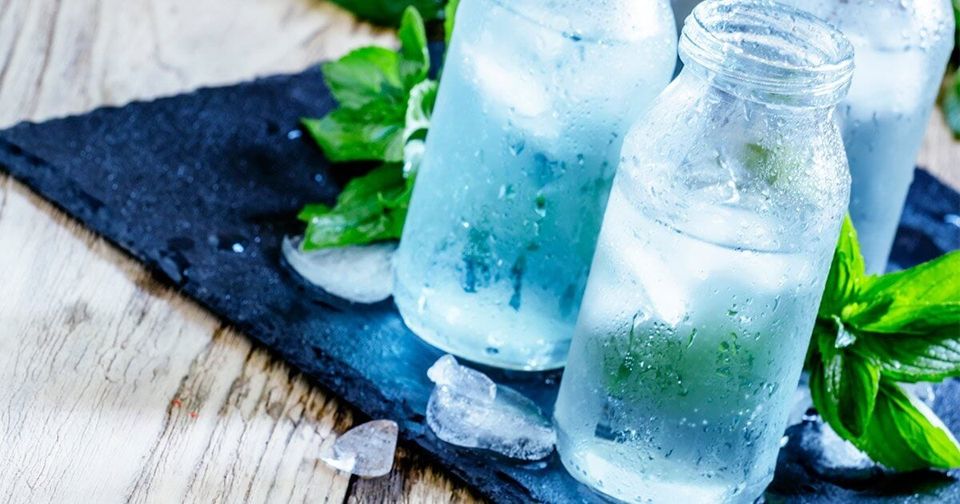
Picture a tall glass of icy-cold, refreshing water. Imagine a detailed image of it in your mind’s eye. Does the thought make you thirsty? If so, it’s likely you’re not drinking enough water. That’s because thirst is an early indicator of dehydration. Too often we unintentionally ignore thirst. With our fast-paced and busy lifestyle we often don’t realize we’re thirsty until severe dehydration hits. To make matters worse, a lot of people try to quench their thirst with soda or other sugary drinks which only causes the body to lose more water.

THE RESULT IS CHRONIC DEHYDRATION.

Over time, this can lead to a wide range of symptoms that can make life downright miserable.Here are five surprising signs that you may be chronically dehydrated and need to reach for a few more glasses of H20 every day.

1. Dry Skin

Your skin is the body’s largest organ and is made up of 64% water! As a result, it needs generous amounts of water to stay healthy and hydrated. When your skin doesn’t get enough water, it will become dry, itchy, and breakouts will be more common. In fact, dry skin is one of the earliest signs of severe dehydration. If this is something you experience, try increasing your intake of filtered water.

2. Fatigue and Lack of Energy

An early symptom of dehydration is fatigue and lethargy. Dehydration causes the enzymatic activity in the body to slow down which results in that miserable sluggish feeling we all have struggled with. Most people assume they feel tired from working hard, a poor night’s sleep, or they just naturally have low energy levels. While this can be the case, more often than not, it’s caused by dehydration. Try starting your day with a glass of lemon water to feel refreshed.

3. Constipation and Digestive Issues

Without enough water, the digestive system slows down dramatically. The result is constipation and gut discomfort. Your colon, along with other regions of the digestive system, draws in water to help move waste along. When you’re dehydrated, it’s much like trying to go down a steep waterslide with no water… ouch! Water also allows your gut to absorb water-soluble vitamins. So when you’re dehydrated, it’s possible to be deficient in vitamins B and C.

4. Weight Gain

Thirst can be easily mistaken for hunger. Sometimes when you’re slightly dehydrated, your body will make you feel hungry instead of thirsty. t’s a fiendish trick that can result in constant overeating which, of course, leads to weight gain. “People just think that when they start to get a little weak or they have a headache, they need to eat something, but most often they need to drink [water],” said Grace Webb, Assistant Director for the Clinical Nutrition at New York Hospital. Drinking more water can help you feel full more often, which in turn can result in better eating habits. To distinguish the difference between real hunger and thirst, drink a glass of water before you raid the pantry for a snack. If the hunger pangs subside after a few minutes, you’ll know it was just thirst playing a trick on you.

5. Stiff or Painful Joints

Our joints are made up of cartilage, fluid to reduce friction, and soft membranes. They prevent our bones from grinding against each other every time we move. Without water, these joint structures can’t do their job well. So to help keep your joints moving without discomfort, make sure you get enough water.

MAKE SURE YOUR WATER IS TOXIN-FREE

With busy lifestyles, it’s easy to forget about the simple things that make a big impact on our everyday life. It’s possible you can significantly improve your life just by drinking a few more glasses of H20 every day. To reap all the health benefits, make sure the water you drink is free of toxins that can harm your health. Lead, mercury and pesticides are commonly found in water supplies so filtered water is a must to feel your best.
Go back

Your message has been sent

Warning
Warning
Warning
Warning.

Vitamin D: A Keystone of Immune Health

Vitamin D is one of the most overlooked components of a healthy immune system. In fact, before the development of antibiotics and advanced medical care, healthcare professionals unknowingly treated patients that had infectious diseases using vitamin D, achieving better outcomes in the process.

In 1903, a Swiss doctor named Auguste Rollier used sunlight therapy for patients with infectious diseases, leading to the creation of sanatoriums where TB patients received vitamin D through sunlight exposure. Many doctors during this time believed that sunlight killed the tuberculosis bacterium (2).

Despite this being over 100 years ago, these physicians were surprisingly on-point. Recent decades of scientific research has revealed that vitamin D has intimate ties to the immune system.

Vitamin D and Protection from Viruses

When your body doesn’t have enough vitamin D, your immune system can have a difficult time fighting off infections. Several studies have found that people with vitamin D deficiencies are more likely to experience upper respiratory infections (colds), influenza, and bacterial infections (3).

Moreover, there’s evidence that supplementing vitamin D can decrease the risk of getting sick with influenza or other related illnesses (4). This could explain why so many people get sick in the winter.

In winter months, people tend to bundle up against the cold and spend less time outdoors. Plus, people living in northern latitudes, which covers most of the US and Europe, can’t make vitamin D in winter months due to the angle of the sun relative to earth. The lower levels of vitamin D then make you more susceptible to catching a cold or flu (56).

There’s also evidence that suggests low levels of vitamin D are associated with worse COVID-19 outcomes and increased mortality. It’s theorized that this occurs because vitamin D can help prevent the dangerous cytokine storm that can happen with a COVID-19 infection (78).

For this very reason, researchers from Trinity College Dublin are also urging the Irish government to promote vitamin D for improved COVID-19 outcomes (9). Of course, this research is just preliminary and does not prove anything as of yet. Time will tell whether there is a true relationship between vitamin D and COVID-19 outcomes.

That being said, all this is pretty impressive for a little vitamin that your body makes from the sun, right? And it turns out that vitamin D does much more for the immune system than just helping it eliminate infection from viruses.

Vitamin D and Autoimmunity

Vitamin D can help balance out the immune system. In other words, it exerts immunomodulatory effects. This is important because when the immune system becomes overactive, it can attack your cells. When this happens, it’s called autoimmune disease.

Research has found correlations between vitamin D deficiency and autoimmune diseases such as multiple sclerosis, lupus, and type 1 diabetes (10). As such, experts believe that getting enough vitamin D is important for the prevention of autoimmunity (11).

The take-home point here is that vitamin D has immunomodulatory effects that help balance the immune system and may prevent the immune system from overreacting and attacking healthy cells.

Most people realize that the immune system is important for killing off infections. But in addition to killing off harmful bacteria or viruses, your immune system has the important job of destroying cancer cells before they multiply and become a problem (12).

Of course, the immune system isn’t perfect. And cancer cells have some clever tricks. Some cancer cells, for instance, can change their behaviors to hide from natural killer cells—a type of immune cell that can kill harmful microbes or cells including cancer cells (13).

Evidence suggests that vitamin D may play an important role in the immune system for several types of cancer cells (14). This could explain why there are associations with vitamin D and reduced cancer mortality (15). This seems to be particularly the case for vitamin D and reduced risk of breast cancer.

One study showed women with high levels of vitamin D (> or equal to 60 ng/ml) had an 82% lower risk of breast cancer compared to women with a low level of vitamin D (<20 ng/ml) (16). Survival rates for breast cancer are also markedly better for women with higher vitamin D (17).

Of course, cancer is exceptionally complicated, and this does NOT mean vitamin D is a prevention or cure. Rather it shows that vitamin D plays an important role in the immune system, which we rely on to keep us healthy.

How to Get More Vitamin D

Ideally, you should get vitamin D naturally, from the sun, which is easier in summer months. Aim for at least 15 minutes of direct sun to skin exposure every day. If you have darker skin, you need even more time in the sun.

In addition to producing vitamin D, sun exposure is known to trigger the release of nitric oxide. Nitric oxide can combine with reactive oxygen species (also made by sun exposure) to produce a compound called peroxynitrite that is a natural antibacterial agent produced in your body (18).

Getting sun exposure can also help normalize your circadian rhythm for better sleep which also plays a critical role in immune health (1920).

However, getting 15+ minutes of sun exposure simply isn’t possible or even practical sometimes. If you’re unable to get enough sun exposure, the next best option is getting it through your diet with wild-caught oily fish or wild mushrooms, or via a nutritional supplement.

While it’s a good idea to take a vitamin D supplement during winter months or if you spend most of your time indoors, many vitamin D supplements out there are sourced from the fat in lamb’s wool. Not so appetizing, right?

Mushrooms are the only superfood source for vitamin D, making them an optimal, environmentally friendly source of vitamin D. Despite rumors that the plant-based form of vitamin D is inferior to animal-based vitamin D, studies have found that both forms of vitamin D are equally effective (21).

In addition to organic vitamin D, an ideal supplement should include the nutritional co-factors that optimize absorption. Mineral-rich greens provide the right balance of vitamin K, magnesium and other nutrients your body needs to make the most of vitamin D.

The immune system is critical to our well-being. Research shows that vitamin D is a keystone for immune health through protecting us from infections, and helping to prevent an overactive immune system. Since one small vitamin can have such a big impact, getting enough vitamin D should be a priority every day.

Go back

Your message has been sent

Warning
Warning
Warning
Warning.

6 Health Benefits of Zeolite

Zeolite is a volcanic mineral that can profoundly transform your health. And by no means is that an exaggeration. Mounting scientific evidence shows that zeolite can provide life-changing benefits to your health—from detoxing to strengthening your immune system.

Zeolite is also the only substance in the world that can effectively cleanse a wide range of toxins from your body. As far as supplements go, it’s a game-changer.

To give you a better idea of just how powerful zeolite is, here are the top 6 health benefits of taking a high-quality zeolite supplement, all backed by science.

1. Master Detoxifier

Toxins are found everywhere. From the air you breathe, to the food you eat. Over time, these toxins build up in your body and wreak havoc on your health.

Never-ending fatigue, brain fog, a weak immune system, and countless health issues are common side effects when these toxins build up. That’s why it’s essential to cleanse your body from toxins.

Fortunately, zeolite is the Jedi master of detoxification. All thanks to its unique honeycomb-like crystalline structure.

You see, each chamber within zeolite’s honeycomb-like structure has a negative charge. This negative charge attracts positively-charged toxins like lead, mercury, or nitrosamines (1).

In many ways, it’s like a magnet for toxins. So, when you take a properly cleansed zeolite supplement, it travels through your body trapping toxins in its “magnetized” honeycomb cage.

And since your body doesn’t store zeolite, your body just excretes it once it’s bound to a toxin. That’s why zeolite is exceptionally effective at removing built-up toxins in your body.

2. Alkalizes the Body

Another well-known benefit of zeolite is its ability to help the body balance pH by providing alkalizing minerals AND supporting kidney function.

Many foods (think white bread, rice, or any processed foods) are acid-forming in the body, while most green veggies are alkalizing to the body. Alcohol, pesticides, pollution, and even chronic stress also add to acidity.

An overly acidic body shows signs of strain such as headaches, chronic inflammation, mood disorders, persistent fatigue, and much more.

Alkalizing minerals help to buffer acid in the body. In a properly-cleansed zeolite, the alkalizing minerals calcium, potassium and magnesium are inside the honeycomb cages. The zeolite cage gives the body the beneficial mineral and takes the bad toxin in exchange.

The biggest role zeolite plays in alkalizing the body relates to how it helps the kidneys. Your kidneys maintain your internal pH. Yet many heavy metals impair kidney function (2).

Since zeolite can help your body get rid of heavy metals, it supports optimal kidney health, so your kidneys can efficiently balance your body’s pH.

3. Strengthens the Immune System

Evidence suggests that the zeolite clinoptilolite can also bolster and regulate your immune system.

This zeolite has specifically been shown to increase T-cell activity and increase the number of macrophages in the body—two cells essential for a healthy immune function.

But the immune benefits don’t end there. Heavy metals can suppress your immune system, making your body vulnerable to pathogens and prone to autoimmune issues (2)(3).

This means zeolite can both increase the effectiveness of your immune system while simultaneously protecting it from heavy metals.

4. Supports a Healthy Gut

Leaky gut occurs when the lining of your intestinal wall has an increased permeability. This allows unwanted toxins and microbes to leak from your intestines into the bloodstream.

The result is a weakened immune system, excessive fatigue, autoimmune issues, skin rashes, depression, and intense cravings for sugar or carbohydrates.

And these symptoms only get worse over time if your leaky gut isn’t healed. The positive news is, evidence suggests that zeolite can support a healthy gut.

One study found that just 12 weeks of zeolite supplementation can significantly increase the integrity of the intestinal wall (4).

5. May Improve Mood

When heavy metals such as lead and mercury accumulate in your body, they can also negatively affect your mood.

One study, for example, found that the mercury from amalgam dental fillings can result in depression, excessive anger, and problems with anxiety (5).

Many times, these issues are dismissed as resulting from “a stressful life” or a chemical imbalance instead of heavy metals. That’s because many signs of heavy metal accumulation are vague and can be mistaken for something else.

Life can be stressful enough without heavy metals bringing you down. By helping to reduce the build-up of heavy metals, zeolites can support positive mood.

6. Protects the Body from Harmful Microbes

Along with improving your immune health, zeolite is a powerful antimicrobial. This means it can fight potentially harmful bacteria, viruses, and fungi.

In fact, zeolites are so effective that they have been used to treat urinary tract infections (UTIs) and dental plaque formations. Both of which are caused by pathogenic microbes.

Another study found that zeolite has antiviral properties (6) due to its potential ability to absorb viral particles within the zeolite cages.

Studies even suggest zeolite can reduce pathogenic bacteria (7). What makes zeolite even better is that it doesn’t have a negative effect on the beneficial microbes in your gut.

Why Detoxing is Absolutely Essential

Have you ever played the game whack-a-mole at an arcade? Well, toxins are a bit like that. No matter how many times you manage to eliminate a toxin from your life, another seems to pop up in its place. That’s because toxins are practically everywhere. They can be found in:

  • Food (pesticides, herbicides, chemical additives)
  • The air you breathe (pollutants)
  • Household items (couches, chairs, beds, paint, keys)
  • Water (a common source of heavy metals)

The problem is, since there are so many ways you can get exposed to toxins, they build up in the body over time. That’s when even bigger problems arise.

Even in small amounts, these toxins can impair memory, negatively affect your gut health, plummet your energy levels, and make it hard to lose weight.

While it’s definitely a good idea to avoid toxins as best you can, it’s downright impossible to avoid them all. That’s why cleansing these toxins from your body is essential. A zeolite supplement will help you cleanse with ease.

Why supplement? Well, zeolite is not a mineral found in food. But you can’t just pick any ordinary zeolite supplement. Otherwise, you risk wasting your hard-earned money.

Make sure to seek out one with zeolite that has been properly cleansed so it can capture toxins, and is sized so it can be absorbed in the bloodstream, otherwise it will just pass through without picking up many toxins.

The Bottom Line

Zeolite is a highly effective natural supplement to bolster your health. Along with its ability to remove toxins from the body, it can alkalize, improve mood, strengthen the immune system, and even protect against harmful microbes.

Since we live in a world that’s riddled with toxins everywhere we go, zeolite is needed more than ever. But not any zeolite will do.

To get the health benefits of zeolite, seek out a high-quality source that is properly cleansed and sized for absorption. When you do, you may notice yourself experiencing a new level of sustained energy and vibrant health.

Reach back to me for your first order discount as a new customer

One Simple Choice Can Change Everything

~ Rena ~

Go back

Your message has been sent

Warning
Warning
Warning
Warning.

Got Inflammation?

Photo by Kindel Media on Pexels.com
You could be missing the powerful healing power of enzymes!

You can eat the best foods all day long, but if you don’t have enough of the right kinds of enzymes you won’t digest and assimilate them.  This makes it very hard to get healthy simply by eating “right”.  So, today we’ll look at the role of enzymes in your body’s quest for homeostasis, i.e. health.

In short, enzymes…

  • are in every living cell and all living organisms.
  • are the life force and catalyst for protein molecules.
  • do not work without co-enzymes – vitamin and minerals.
  • cooked and processed foods do not have the necessary enzymes.
  • come in two types – metabolic enzymes and digestive enzymes.

First let’s look the two types and why it is so very important to take digestive enzymes so your body can actually function without disease.

 Metabolic Enzymes

Over 3,000 metabolic enzymes have been identified as being necessary factors in running the human body.  You need enzymes for cell reproduction, breathing, digestion, nerve transmission, disease protection, and thousands of other biochemical reactions that take place in the body. The body has a limited supply of renewable metabolic enzymes, and the faster you use the enzyme potential you inherited at birth, the quicker you run out of these vital essential enzymes.

Digestive Enzymes
DSC01283

The enzymes necessary to digest our foods are contained within that food.  Ripe, raw fruits and vegetables are excellent sources of natural digestive enzymes. When you eat a ripe fruit or vegetable, the enzymes it contains can do almost all of the necessary digestion with very little help of the digestive enzymes secreted by the body. Unfortunately, enzymes can only develop and mature in a natural food source because the enzymes develop along with the food.  Therefore, we would need to eat the food just before it became rotten when it is really just digesting itself. The more natural enzymes a food possesses, the more self-digestion occurs, which lessens the amount of digestive work the body has to do.

However…

What happens when you eat a enzyme deficient, chemically impregnated, highly processed and well preserved meal, which seems to be the favorite of today’s high stress, fast food society?  Well, without the correct enzymes the food you ingest isn’t completely digested or assimilated and can remain in your intestinal tract in this undigested state for months. It is estimated that by middle age many people have as much as 20 pounds of undigested putrefying food in their colon!  As this undigested, putrefying food builds up in the intestine it begins to produce harmful bacteria and poisonous toxins.  This leaves you wide open for degenerative diseases and colon cancer.  It is estimated that 80 percent of all disease conditions can be traced back to a malfunctioning intestinal tract and missing enzymes.

Metabolic vs. Digestive Enzymes

A diet that is lacking in proper digestive enzymes can also disrupt body functions other than the digestive tract. Your body’s 3,000+ metabolic enzymes are in all the cells, tissues, organs, and fluids of the body which are designed to provide energy, fight disease, and make sure the body processes continue to run efficiently.  These metabolic enzymes were not designed to digest food.  But, when you eat enzyme deficient foods, it forces the body to transform  metabolic enzymes into enzymes needed for digestion. So, you are robbing Peter to pay Paul.  This stealing of metabolic enzymes from other sources to fulfill needs of the digestive tract sets up a competition for enzymes among the various organs and system of the body.

As tissues and organs, such as the pancreas, spleen, heart, kidneys, and liver are depleted of their needed metabolic enzymes, they begin to deteriorate and malfunction.  This leads to chronic conditions and degenerative diseases such as allergies, skin conditions, pancreatitis, diabetes, and cancer.

Most of us deplete our natural enzyme levels as we age.  A 70 year old person has about half the enzyme levels of a 20 year old.  But, because of our modern enzyme deficient diet, even 20 year olds are now showing signs of enzyme deficiency.  Essentially, you live as long as your supply of enzymes lasts.  When the time comes that you can no longer make certain enzymes, then total system shutdown is not far away.

Early signs of enzyme deficiency are:

  • digestive problems
  • heartburn
  • acid reflux
  • gas
  • bloating
  • belching

Enzyme deficiency could be a major contributor if you experience:

  • chronic fatigue
  • aches and pains
  • chronic viral or bacterial infections
  • premature aging
  • arthritis
  • rheumatism
  • swelling of the joints
  • skin conditions
  • high blood pressure
  • poor digestion
  • obesity
  • respiratory problems
  • allergies
  • loss of memory

“Supplemental digestive enzymes insure assimilation and maximized utilization of core nutrients for health and healing.”  Dr. Linda G. Rector-Page – Health and Healing

“Radiation of our food supplies preserves the food (up to 4.5 rads of gamma radiation) which is 10,000 times the lethal dose to humans.  This process destroys enzymes.  So even if you eat fresh raw foods, you may not be getting any enzymes at all.”  Dr.Carson E. Pierce – What Would I Do If I Had Cancer Again

Learn more about enzymes and how you can purchase a time honored formula.  

http://www.renabatt.com

Rena

 “One Simple Choice Can Change Everything”

Go back

Your message has been sent

Warning
Warning
Warning
Warning
Warning
Warning.

THANK GOODNESS FOR OSTEOPOROSIS….

Why would I say that?  Isn’t osteoporosis a disease?  Not really.  The way our bodies are designed, if we don’t take in enough minerals daily to buffer the acid load from our daily activity (stress, toxins, poor diet, soda, and exercise),  then we have our beautiful bones to thank for buffering that acid with alkaline minerals from our bones…or we would be suffering more serious health consequences. Our bodies work hard to keep that acid/alkaline buffering process in balance.

It’s sort of like robbing Peter to pay Paul.  There is a daily give and take of the minerals in the bones so that we always have what we need for our bodies to function and recover.  But, when there is no “deposit” and only “withdrawal” our bones become porous and brittle…osteoporosis.

On the other hand, if we do get those daily minerals we can add back to those porous, brittle bones and return them to full measure.  Unfortunately, our foods today are seriously low in enough minerals to do the job so we need to supplement.  It takes a little time, but if we are consistent with a superior mineral supplement we can win the game.

I am merely one of thousands of success stories of an amazing mineral product you simply put in your water.  With over two decades of experience I am healthier today at almost 70 than I was in my forties.   Back then, I was loosing my teeth because of my osteoporosis.  My mother had it so I just assumed it was hereditary.  When I was introduced to the water minerals I had no idea I would have such amazing results.  They just said, “Drink the water and good things will happen”.  I am still telling people who after over twenty years of sharing the good news.  

If you would like to know more simply leave me your information below.  You can also Follow me and use the information on my website to help others.

**A note of caution.  If you are taking a medication to stop your bones from being depleted, you are not getting the buffering you need to address your acid load which can create an imbalance more serious than brittle bones.  Be sure to look at the side effects before you go that route.

“ONE SIMPLE CHOICE CAN CHANGE EVERYTHING”
RENA

Go back

Your message has been sent

Warning
Warning
Warning
Warning.